Chokuto, a legendary Japanese sword, dates back to ancient times. With a unique straight blade design, chokuto symbolizes purity and simplicity. Crafted for swift movements and precise strikes, chokuto stands out among traditional Japanese swords. Its history intertwined with myth and reality, chokuto remains a captivating enigma for enthusiasts and historians alike. The legacy of chokuto continues to inspire modern swordsmiths and martial artists, keeping its ancient spirit alive.

Exploring the Fascinating World of Chokuto
Welcome, young warriors and history enthusiasts, to a journey through time and Japanese martial culture. Today, we delve into the intriguing realm of chokuto – a legendary sword that holds a unique place in the annals of swordmaking history. Join me as we uncover the secrets, stories, and significance of this remarkable blade.
The Origins of Chokuto
Chokuto, also known as “straight sword” in Japanese, dates back to ancient times when warriors roamed the land in search of honor and glory. Unlike the curved katana that we often associate with samurais, the chokuto features a straight blade that sets it apart in both form and function. The origins of this distinctive sword can be traced to the Kofun period (circa 3rd to 6th century AD) in Japan, making it one of the earliest types of swords crafted in the region.
During this era, chokuto swords were favored by the elite warriors of the Yamato clan, who wielded these sleek and efficient weapons with precision on the battlefield. The design of the chokuto, with its straight blade and double-edged sharpness, reflected the simplicity and elegance that defined Japanese swordsmithing craftsmanship during that time.
The Design and Construction of Chokuto
Let’s take a closer look at the design and construction of the chokuto to understand what makes it stand out among other swords. The chokuto features a straight blade made of high-quality steel, often crafted through meticulous forging techniques handed down through generations of skilled swordsmiths.
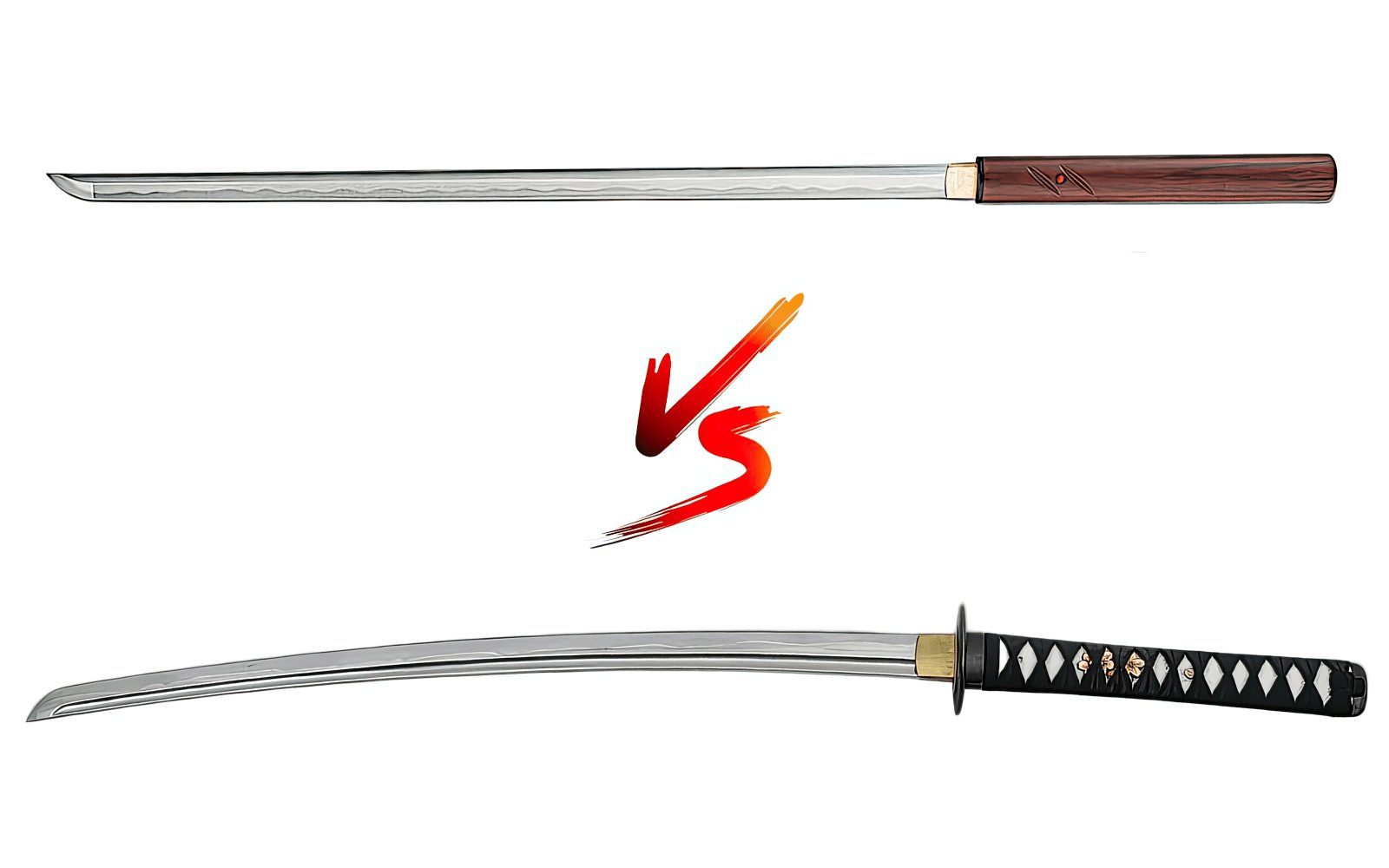
The blade of the chokuto is characterized by its symmetrical shape, sharp edges on both sides, and a pointed tip that enhances its cutting and thrusting capabilities. The absence of a curve in the blade distinguishes the chokuto from later sword designs like the tachi and katana, emphasizing its unique place in the evolution of Japanese swordmaking.
In addition to the blade, the chokuto’s hilt, known as the tsuka, is crafted with equal care and attention to detail. Made from materials such as wood, ray skin, and silk cord, the tsuka complements the blade’s elegance and provides a secure grip for the wielder during combat.
The Significance of Chokuto in Japanese History
Throughout Japanese history, the chokuto played a crucial role in shaping the warrior culture and martial traditions of the country. As a symbol of power, honor, and skill, the chokuto was revered by samurais and warriors who sought to demonstrate their mastery of the sword in battle.
One of the most famous chokuto swords in Japanese history is the legendary sword known as Futsu no Mitama. This sacred blade, believed to be imbued with divine powers, was passed down through generations of emperors and played a central role in shaping the destiny of Japan during ancient times.
Warriors who wielded the chokuto were known for their discipline, focus, and unwavering dedication to their craft. The straight blade of the chokuto symbolized the warrior’s commitment to precision and clarity in combat, reflecting the values of honor and integrity that defined the samurai code of bushido.
The Legacy of Chokuto in Modern Times
While the chokuto may no longer be the primary weapon of choice for modern warriors, its legacy continues to inspire sword enthusiasts, historians, and martial artists around the world. The timeless elegance and historical significance of the chokuto serve as a reminder of Japan’s rich heritage and enduring tradition of craftsmanship.
Today, replicas of chokuto swords are often sought after by collectors and enthusiasts who appreciate the beauty and craftsmanship of these ancient blades. Whether displayed as a work of art or used in traditional martial arts practices, the chokuto remains a symbol of Japan’s martial prowess and cultural identity.
Exploring the World of Chokuto
As we conclude our journey through the world of chokuto, let us remember the stories and legends that surround this iconic sword. From its origins in ancient Japan to its enduring legacy in modern times, the chokuto stands as a testament to the skill, dedication, and artistry of the swordsmiths who crafted these magnificent blades.
So, the next time you see a chokuto in a museum or read about it in a history book, take a moment to appreciate the beauty and significance of this extraordinary sword. The chokuto may be a relic of the past, but its spirit lives on in the hearts of those who cherish the art of swordmaking and the noble traditions of the samurai.
Thank you for joining me on this exploration of the fascinating world of chokuto. Until next time, may the way of the sword guide you on your own journey of discovery and enlightenment.
$700 CHOKUTO Straight Blade KATANA, Edo period mumei
Frequently Asked Questions
What is a chokuto sword?
A chokuto is a straight, single-edged sword that was traditionally used in ancient Japan before the emergence of the more common curved katana. It features a straight blade with a square or diamond-shaped guard and a simple, utilitarian design.
How does a chokuto differ from a katana?
The main difference between a chokuto and a katana lies in their blade design. While the chokuto has a straight blade, the katana has a distinctive curved blade. Additionally, the chokuto typically lacks the decorative embellishments and intricate fittings often found on katana swords.
Was the chokuto commonly used by samurai warriors?
Historically, the chokuto was used by early samurai warriors in ancient Japan. However, its popularity waned with the introduction of the more versatile and efficient katana sword. The katana’s curved blade was better suited for cutting and slashing in battle compared to the straight chokuto.
Final Thoughts
The chokuto, a Japanese sword with a straight blade, holds a unique historical significance. Its design differs from the traditional curved katana, reflecting a distinctive era of Japanese sword-making. Although less commonly known compared to the katana, the chokuto played an essential role in early Japanese warfare. Today, the chokuto remains a symbol of Japan’s rich cultural heritage and the evolution of sword craftsmanship. Its straight blade showcases the artistry and ingenuity of ancient Japanese swordsmiths.