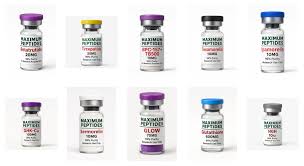
Why does concentration matter?
Concentration figures carry more weight than most buyers initially assign them. Each number represents the actual active compound present per measured unit, and procurement teams use that figure as the primary filter when comparing suppliers. A listing that lacks independent confirmation of this value leaves every other specification without a verifiable foundation.
Sourcing high-purity peptides in Canada without batch-specific concentration data is a common gap that creates compounding problems across repeated procurement cycles. Labelled amounts and tested amounts diverge more often than suppliers acknowledge, and the difference plays out in research output long before a documentation issue is formally identified. Institutions that request lot-specific certificates from the outset avoid this pattern entirely.
Consistency across batches carries more weight than a single clean result. One verified certificate indicates a product met standards on one occasion. A documented record spanning multiple production runs indicates a controlled process, and that distinction matters when sourcing decisions have to hold up across extended research timelines.
How does potency differ?
Potency addresses functional activity, not quantity. A compound can fall within its labelled concentration range and still fail to perform at expected levels if synthesis conditions were unstable or storage was compromised between production and dispatch. Concentration confirms presence. Potency confirms function.
Suppliers who publish bioactivity data alongside concentration certificates close that gap. Those who provide concentration figures alone leave procurement teams with half the verification picture, which is rarely sufficient for research applications where compound performance directly affects result integrity.
Purity percentage in practice
Purity refers to the proportion of the total product content that is actually the intended peptide. During the purification process, byproducts, residual solvents, and degradation materials accumulate when the purification process is insufficient or poorly controlled. Products sitting below accepted thresholds carry these variables into research environments without always producing visible signs at the point of receipt.
Supplier documentation that confirms purity through independent laboratory methods includes:
- HPLC chromatograms are issued per individual production batch.
- Mass spectrometry results confirm the correct molecular identity against the stated sequence.
- Declared purity percentage with defined tolerance ranges across production runs.
- Third-party laboratory accreditation is referenced directly on each issued certificate.
What buyers should prioritise?
Each metric measures a different aspect of compound quality. As a result, multiple procurement cycles can be analysed together. Reviewed in isolation, any one of them leaves meaningful gaps that only become visible after sourcing commitments have already been made.
Batch history is where process stability becomes legible. A supplier whose documentation spans multiple production runs, with consistent results across certificates, demonstrates controlled output rather than occasional compliance. That distinction is particularly relevant for institutions managing research timelines that extend well beyond a single procurement engagement.
Concentration is the first number that gets verified in any serious sourcing process. It determines whether two products are actually comparable or only appear to be, and when the figure originates from internal reporting rather than independent laboratory testing, every other document from that supplier inherits the same credibility problem.