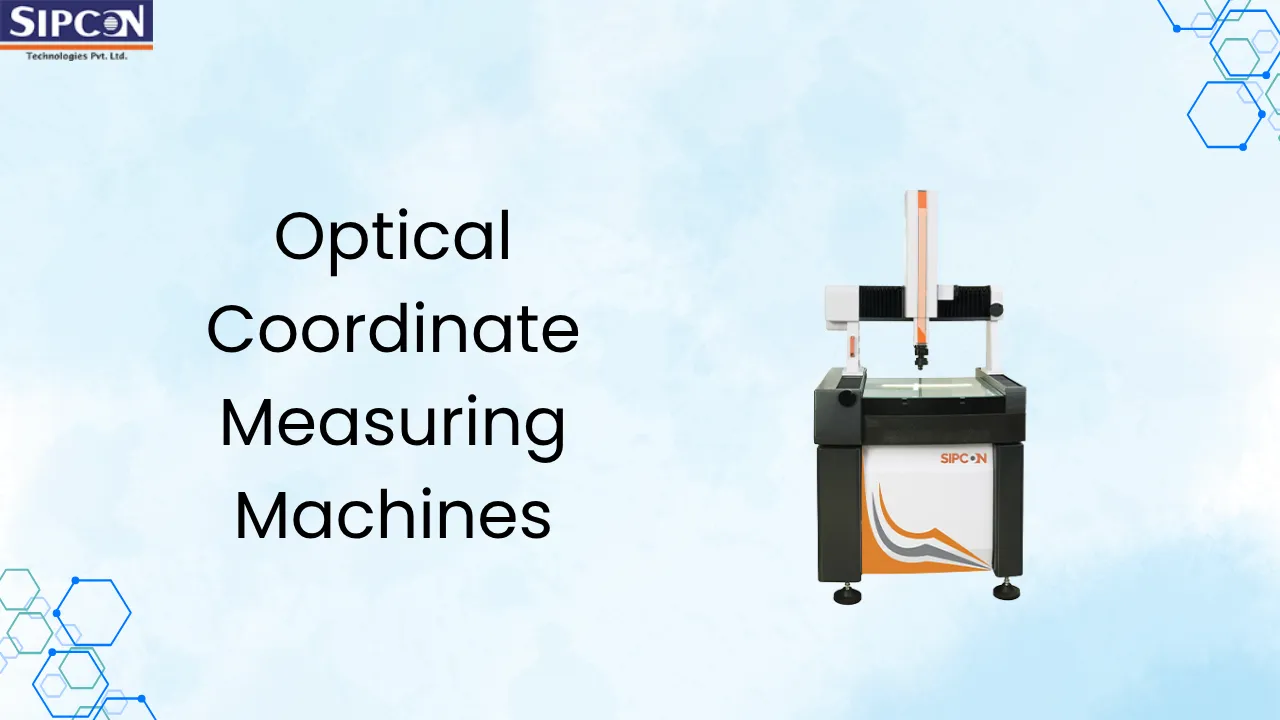
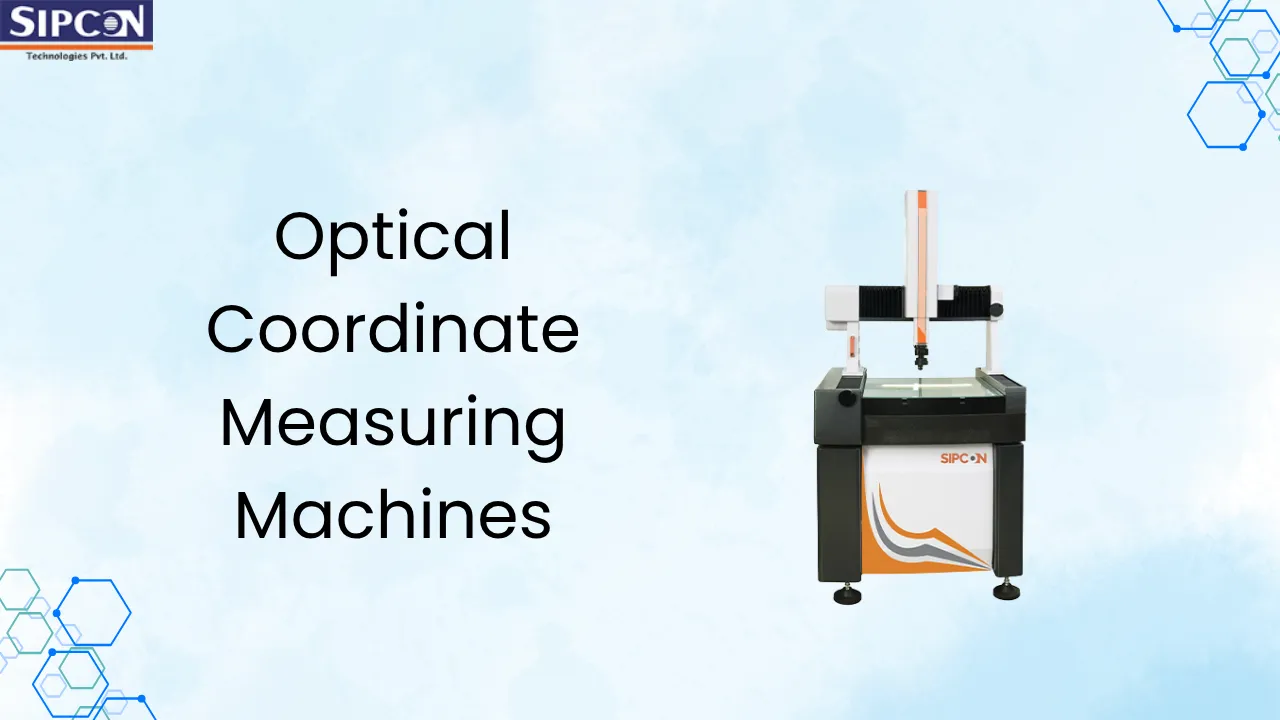
Accuracy is a necessity in today’s competitive manufacturing environment. The smallest measurement error can lead to product defects, financial loss and customer dissatisfaction. Here comes the special role of an Optical Coordinate Measuring Machine! It is designed to deliver precise, non-contact measurements using advanced optical technology which makes it highly suitable for complex and delicate components.
Optical machines use sensors and cameras to capture detailed images of the object and do not rely on physical probes. This improves measurement speed and reduces the risk of damage. Many industries rely on this technology for reliable and consistent inspection results. Companies like Sipcon Instrument are contributing to this field by offering advanced solutions that improve overall inspection accuracy.
Factors That Influence Inspection Accuracy in Optical Systems (Heading 2)
- Quality of Optical Components
The accuracy of an Optical Coordinate Measuring Machine depends on the quality of its lenses, sensors and cameras. Sharper and more detailed images are captured by high-quality optical components which directly improve accuracy levels. Blurred images and incorrect data are crated with poor-quality optics. Rely only on advanced systems that are designed with high-resolution cameras. This ensures every detail is clearly visible which makes measurements highly reliable.
- Lighting Conditions and Illumination
Proper lighting plays a key role in optical measurement. The edges and features of the object being measured are highlighted by uniform and well-controlled lighting. It can create shadows or reflections that affect accuracy if the lighting is too bright or uneven. Adjustable lighting systems are used by modern machines to maintain consistency. This ensures that measurements remain stable irrespective of the surface finish or the object’s shape.
- Software and Image Processing Capabilities
The software used in an Optical Coordinate Measuring Machine is just as important as the hardware. It processes the captured images and converts them into exact measurement data. The edges are detected, dimensions calculated and errors reduced by advanced algorithms. Sipcon Instrument comes with user-friendly software that simplifies complex measurement tasks while delivering high precision and consistent results.
- Machine Setup and Calibration
Regular calibration is essential to maintain accuracy in the long run. Incorrect results can be produced by the most advanced machine if it is not properly calibrated. Proper setup, including positioning and alignment affects measurement outcomes. Routine maintenance and calibration ensure that the machine performs consistently and ensures trustworthy inspection results every time.
- Environmental Conditions
The performance of optical measurement systems can be impacted by temperature, vibration and humidity. Sudden temperature changes can cause expansion or contraction of machine components which leads to measurement errors. Therefore, it is important to operate the machine in a controlled environment to avoid this scenario. Stable conditions help to improve overall performance and maintain consistent accuracy.
- Training and Operator Skill
The operator’s knowledge and experience play a key role in achieving accurate results with advanced technology. Proper training ensures that the machine is used efficiently and correctly. The inspection quality can be significantly improved by understanding how to set parameters, adjust lighting and interpret data. Well-trained operators can fully utilize the capabilities of an Optical Coordinate Measuring Machine for high-precision inspection.
- Machine Vibration Control and Stability
The measurement accuracy in optical systems can be directly affected by any external vibration. Minor movements can distort image capture and create inconsistent measurement results. High-quality setups use stable machine bases to maintain efficient functioning which helps maintain precise results even during prolonged industrial use.
- Workpiece Surface Condition
Accuracy is also impacted by the surface finish of the object being measured. Challenges in image detection can be created by highly reflective, transparent or rough surfaces. Errors are reduced through proper surface preparation or adaptive lighting techniques. This ensures that the Optical Coordinate Measuring Machine captures clear and dependable data for precise results.
- Zoom Calibration and Magnification
Magnification settings must be properly calibrated to maintain measurement accuracy through correct scaling. Inaccurate zoom levels can lead to incorrect dimension calculations. Advanced systems allow automatic magnification correction which improves consistency. This ensures that minor components are measured with consistent precision levels.
- Data Handling
Accurate measurement is all about capturing data and interpreting it correctly. Errors in data processing or export can affect final inspection results. Modern systems provide structured data output compatible with quality control software. This reduces human error and helps improve decisions in manufacturing workflows.
Conclusion
In conclusion, an Optical Coordinate Measuring Machine is the finest tool in modern industries. It is renowned for high inspection accuracy. It is extremely reliable for precise inspection tasks. Accuracy is influenced by factors such as optical quality, lighting, software, calibration, operator expertise and environment. The inspection processes can be significantly improved by paying close attention to these factors. This helps to ensure consistent product quality.
Sipcon Instrument continues to support industries with advanced optical measurement solutions that help maintain efficiency and precision. Selecting the right Coordinate Measuring Machineis essential for achieving exceptional accuracy and consistency in modern optical inspection processes.


