When structuring a resilient private residential portfolio in Singapore, tenure selection remains one of the most critical financial decisions an investor will make. The classic debate between acquiring freehold assets for long-term capital preservation and leasehold developments for maximized immediate rental yields continues to shape property allocation strategies across the island.
In 2026, as interest rate movements stabilize and urban redevelopment shifts toward decentralized regional gateways, private wealth managers and individual buyers must evaluate how different property tenures interact with land scarcity, market liquidity, and long-term capital defense.
1. The Freehold Advantage: Wealth Preservation in Prime District 10
For high-net-worth families and generational investors, freehold or 999-year leasehold properties in established prime districts have historically served as the ultimate hedge against monetary inflation and land degradation.
Because Singapore’s total land area is strictly finite, the Urban Redevelopment Authority (URA) rarely releases new freehold land sites under the Government Land Sales (GLS) programme. Consequently, prime freehold or long-tenure enclaves enjoy an intrinsic scarcity premium that strengthens over time.
Capital Equity and Generational Wealth Defense
Freehold properties located in exclusive residential precincts are immune to lease decay—the financial phenomenon where 99-year leasehold properties experience accelerating valuation discounts as they cross the 30-, 40-, or 50-year mark.
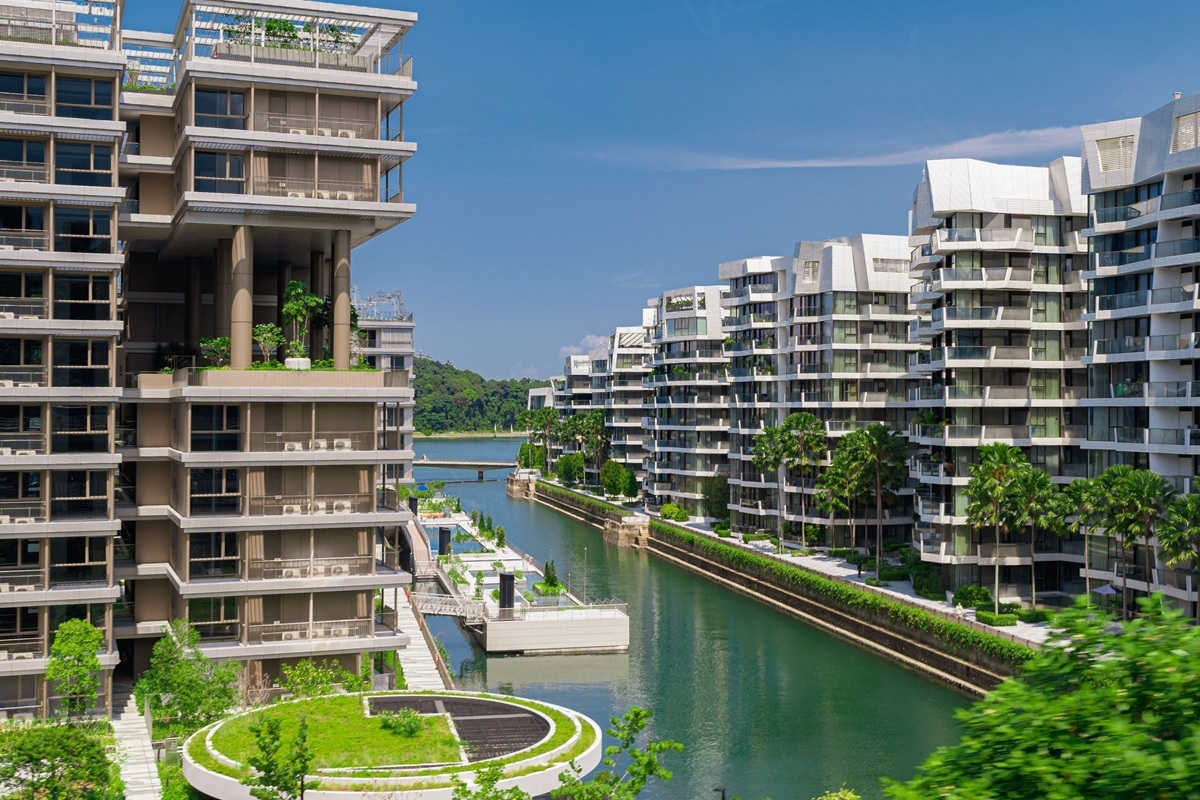
An exceptional example of long-term capital defense in a premier enclave is Amberwood at Holland, located along Holland Link in prime District 10. Nestled within the tranquil Holland Plain master plan area and flanked by prestigious Good Class Bungalow (GCB) neighborhoods, this development offers buyers a low-density, high-equity asset that retains value across decades.
The primary investment drivers behind prime enclave acquisitions include:
- Immunity to Lease Decay: Freehold or extended 999-year equivalent holdings allow multi-generational families to pass down real estate equity without the threat of diminishing bank loan eligibility or tenure expiration.
- Collective Sale Premium Potential: Low-density developments sitting on substantial land plots hold significant en-bloc potential decades down the road, as future developers actively seek rare prime land holdings.
- Defensive Asset Class: During periods of macro-economic uncertainty or stock market volatility, prime District 10 real estate acts as a safe-haven asset, maintaining price floors due to low owner-occupier turnover.
Investment Insight: While prime central properties generally require higher initial capital outlays and yield lower gross rental returns, their long-term capital retention makes them the preferred anchor for conservative, wealth-preserving portfolios.
2. The High-Yield Leasehold Strategy: Cash Flow Efficiency in Regional Hubs
While freehold properties in core central regions excel at long-term equity preservation, forward-thinking cash-flow investors frequently turn to fresh 99-year leasehold launches in strategic regional transformation nodes to maximize operational cash flow.
New leasehold developments positioned next to major transport hubs and decentralized commercial centers offer lower entry prices per square foot ($PSF). When paired with strong corporate tenant demand, these assets generate significantly higher net rental yields during the initial 15 to 20 years of their lifecycle.
Maximizing Rental Yields and Early-Stage Liquidity
Newly launched 99-year leasehold developments in growth corridors capture maximum tenant demand because they feature modern residential amenities, contemporary floor plan layouts, and zero immediate capital expenditure requirements for maintenance.
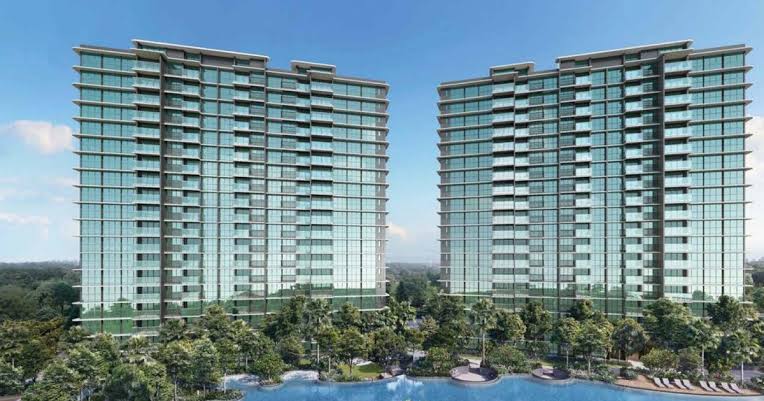
This high-yield strategy is well demonstrated by Lucerne Grand, located directly beside Lakeside MRT station in District 22. Positioned in the heart of the Jurong Lake District (JLD)—Singapore’s premier regional commercial center outside the CBD—this development leverages its location to capture high rental demand from medical, technological, and corporate executives working in the Western region.
Key operational benefits of high-yield leasehold assets include:
- Superior Cash-on-Cash Returns: Lower acquisition costs paired with strong corporate rental rates result in gross rental yields that comfortably outperform core central averages.
- High Tenant Retainability: Direct, sheltered access to MRT lines and major shopping destinations makes modern leasehold projects the top choice for working professionals seeking daily convenience.
- Capital Appreciation via Regional Master Plans: Early-stage investors benefit from government infrastructure rollouts, capturing substantial capital growth during the first 10 years of the development’s lifespan before lease decay becomes a factor.
Investment Insight: Fresh 99-year leasehold properties in major regional growth nodes offer the ideal vehicle for active wealth accumulation, providing steady monthly rental income to service mortgage financing.
3. Capital Allocation Framework: Balancing Tenure Security with Cash Flow
To build a well-balanced real estate portfolio in 2026, smart investors rarely limit themselves to a single property type. Instead, they allocate capital based on age, investment horizon, and total liquidity requirements.
Tailoring Your Real Estate Allocation to Your Financial Goals
- The Wealth Accumulator Phase (30s to 40s): Focus on high-yield, transit-oriented 99-year leasehold developments in major regional hubs. The higher rental yield helps offset interest expenses, while early-stage capital growth helps build equity for future upgrades.
- The Wealth Preservation Phase (50s and Beyond): Transition capital into low-density, prime district enclaves. Securing a scarce property in District 9, 10, or 11 locks in capital preservation, safeguards generational legacy, and minimizes exposure to market corrections.
- The Hybrid Portfolio Strategy: Maintain a core holding in a prestigious central location for long-term equity defense while holding secondary cash-flowing leasehold units near key employment clusters to generate consistent monthly passive income.
4. Key Takeaways for Today’s Property Investors
Successfully navigating Singapore’s private property market requires matching your choice of property tenure directly to your underlying investment objective.
- Evaluate Total Cost of Ownership: Look beyond the initial purchase price to consider long-term maintenance fees, bank loan interest costs, and potential holding periods.
- Monitor the First 15 Years of Leasehold Assets: Maximum capital growth for 99-year leasehold properties usually occurs during the construction phase and the first decade after completion. Plan your exit strategy accordingly.
- Prioritize Location and Scarcity: Whether you choose a freehold sanctuary in Holland Plain or a transit-linked hub in Lakeside, holding property in areas with clear Master Plan catalysts ensures your investment remains liquid and highly sought-after.
By balancing immediate yield potential against long-term capital preservation, you can construct a robust real estate portfolio engineered for both current income and future security.