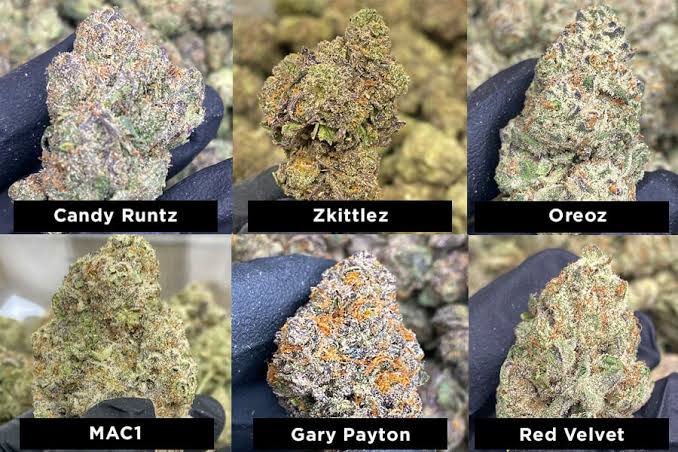
Producing a pound of THCA flower carries costs that extend well beyond seed, soil and labour into testing, compliance, packaging and the batch loss that quality standards introduce at every production stage where substandard material is removed before reaching the buyer. Shop Exhale Wellness’s flower product positioning reflects the production investment behind compliant, consistently performing THCA flower, and buyers who evaluate price without understanding what drives production cost are comparing products whose price differences reflect genuine production variable differences rather than margin positioning alone.
- Genetics and cultivation inputs
Genetics and cultivation inputs represent the first production cost layer, covering seed or clone sourcing, soil preparation, nutrient programmes and the environmental management infrastructure indoor cultivation requires. The cost of sourcing premium genetics expressing THCA is higher than that of commodity genetics, and the differential carries over to each subsequent production stage due to the fact that the genetic starting point determines how many cannabinoids the plant can produce when conditions are optimal.
- Labour across the growth cycle
Labour across the growth cycle covers planting, training, canopy management, pest monitoring and the daily operational requirements, cultivation demands across the full vegetative and flowering period. Hand-trimming finished flowers after harvest represents one of the highest per-pound labour cost concentrations in the production cycle. Producers maintaining hand-trimming standards to preserve trichome integrity absorb a cost that machine-trimming eliminates at a quality trade-off; buyers evaluating finished product can often detect.
- Testing and compliance overhead
Testing and compliance overhead covers third-party laboratory testing costs across pre-harvest potency testing, post-harvest certificate of analysis documentation and additional testing that state distribution requirements impose across active selling jurisdictions. Producers testing for cannabinoid content, terpene profile, heavy metals, pesticides, and microbial contamination at the batch level absorb higher per-pound testing overhead than producers applying minimum coverage, and that overhead difference reflects directly in the production cost differential between compliant and minimally compliant flower.
- Post-harvest processing and curing
Post-harvest processing and curing covers drying, curing, trimming and moisture stabilisation stages that convert harvested plant material into finished flowers meeting quality and compliance specifications. Producers maintaining extended curing periods absorb time and facility overhead that rushed processing eliminates at a quality cost. Buyers evaluating aroma, flavour and burn characteristics can distinguish in the finished product.
- Packaging and regulatory documentation
Packaging and regulatory documentation covers compliant packaging materials, label design, certificate of analysis attachment and state-specific documentation requirements that distribution across multiple jurisdictions imposes. Compliant packaging requires a child-resistant closure in most states, opaque material in several and specific label content covering cannabinoid content, net weight, producer information and required warning language that varies across active distribution states.
- Batch loss and quality rejection
Batch loss and quality rejection represent the production cost that most per-pound price comparisons omit entirely. Producers applying consistent quality standards reject material failing cannabinoid specification, moisture standards or visual quality thresholds before it reaches buyers. That rejected material represents cultivation, labour, testing and processing investment that does not convert into sellable output, and producers with higher rejection rates absorb higher effective per-pound production costs than their nominal cost structures suggest.
What a pound of THCA flower costs to produce is the sum of genetics, labour, testing, processing, packaging and batch loss across a production cycle where each stage either adds cost or removes it through quality compromise. Price differences that appear to reflect margin positioning often reflect genuine production variable differences that determine what ends up in the finished pound a buyer receives.